Once the heartbeat of Roosevelt Island civic life, the Roosevelt Island Residents Association (RIRA) is in the midst of something it hasn’t faced before: rebuilding from within.
Founded in 1977, RIRA was born out of necessity. Roosevelt Island was growing rapidly, and residents needed a unified voice to engage with state authorities. What emerged was a 501(c)(4) nonprofit structured as a Common Council with building-level delegates and island-wide officers. For decades, it served as the closest thing Roosevelt Island had to a functioning town hall.
A Legacy of Civic Impact
Over the years, RIRA established real clout. It played a central role in:
- Advocating for resident representation on the RIOC Board.
- Helping transform the Public Safety Department into a more community-oriented force.
- Defending public green spaces by asserting their protection under the island’s General Development Plan.
- Fighting to keep the Roosevelt Island Tram running on a full schedule.
- Advising on Public Purpose Fund (PPF) allocations for nearly 15 years, bringing structure and public interviews into the process.
RIRA’s Decline
But the last few years have tested the organization. Participation has dwindled. Elections have been poorly attended or unfilled. Its online presence fell dormant. The Common Council—once a robust arena of civic debate—became skeletal.
That has raised fair questions: Is RIRA still the voice of the residents? Can it still serve as a neutral civic platform? Or has its diminished capacity made it too reliant on backchannel partnerships and administrative workarounds?
A Rebuilding Effort
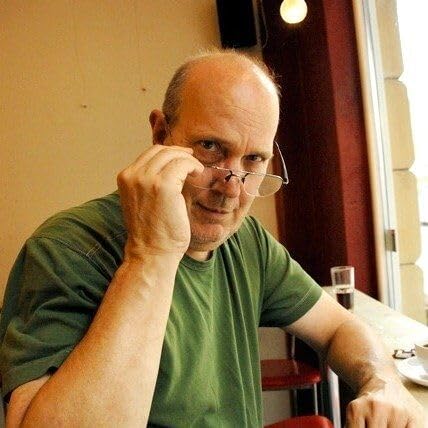
Frank Farance, a long-time RIRA member and now President, insists that the answer is yes—RIRA is on the way back. He points to new initiatives like the CERT (Community Emergency Response Team), reengagement with Public Purpose Fund discussions, and a commitment to restoring transparent communication.
Questions That Remain
Still, public skepticism is real. In our recent investigation—RIRA: Disqualified on Paper, Rewarded in Practice—we examined a $10,000 grant issued to RIRA via fiscal sponsorship through RISA/Good Life. That setup, and the lack of clarity around the relationship between RIRA and RISA, left many readers with more questions than answers.
Frank Farance has been open and communicative throughout, frequently speaking on behalf of both organizations. But the financial connection between a 501(c)(4) and a 501(c)(3), combined with unclear public documentation, raises broader concerns about transparency, oversight, and governance. Those with the hardest questions—about accountability, decision-making, and control—have remained quiet so far.
We’ll continue investigating to see the full picture.
A Call for Transparency
Legacy matters, but so does clarity.
We welcome RIRA’s reemergence. And we invite its leadership to share the full membership of its current Common Council so residents can see who’s representing them. Rebuilding trust starts with opening the door.

The WIRE: Two Futures, One Empty Chair
It is December 6, 2015, and David Stone is writing to Dr. Jack Resnick about a chair that will soon be empty. Dick Lutz is preparing to leave the Main Street WIRE, and Stone has been encouraged to ask whether he might replace him. Seven years of covering art, Cornell Tech and questionable practices inside Public Safety have taught Stone how the paper tells an Island story.