
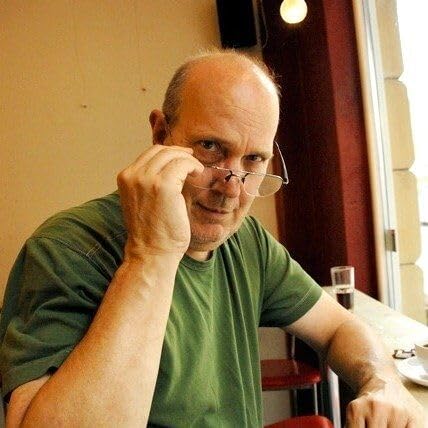
David Stone
Founder & Euro Editor
Navigating Apps with Changes in Memory: Join Our Study
December 2, 2025
Weill Cornell Medicine seeks older adults with mild memory loss for a study on improving navigation apps. Participation is valuable,...
Eleanor Rivers’ article highlights the personal impact of construction and environmental changes on residents of Roosevelt Island, focusing on the experience of altered air quality. In contrast, another piece questions the lack of documentation regarding the demolition of the steam plant, exploring missing reports and the implications for the community’s safety narrative.
Eleanor Rivers’ recent piece, When Representation Was the Promise, does something deceptively simple. It reminds us that representation was once spoken about on Roosevelt Island as an aspiration. Not a slogan.Not a press release.A promise. Her lens is personal and…
Eleanor Rivers’ essay on Howard Polivy depicts a troubling portrait of institutional continuity. Polivy exemplifies a governance strategy where consistency outweighs dissent, allowing systems to maintain power without accountability. This piece serves as a preparatory bridge to future discussions on how committee structures reinforce this dynamic, highlighting the complexities of governance.
Roosevelt Island residents woke up this week to a new kind of uncertainty. Not a tram outage, not a ferry delay, and not another set of vague service alerts from multiple agencies. This time the confusion sits right on the…
The resignation of RIOC board member Ben Fhala spotlighted transparency issues surrounding public purpose funds on Roosevelt Island. Investigative articles revealed favoritism in fund distribution, a lack of accountability, and the troubling influence of groups like RISA. The community’s voice is essential for reforming the funding process and ensuring public oversight.
Once the heartbeat of Roosevelt Island civic life, the Roosevelt Island Residents Association (RIRA) is in the midst of something it hasn’t faced before: rebuilding from within. Founded in 1977, RIRA was born out of necessity. Roosevelt Island was growing…
The Public Purpose Fund plays a crucial role in supporting essential services on Roosevelt Island, yet concerns have arisen regarding the distribution of funds, particularly to the Roosevelt Island Visual Art Association (RIVAA). RIVAA received $40,000—more than any other nonprofit—while others, like the Wildlife Freedom Foundation and iDig2Learn, received significantly less or none at all. The lack of transparency in the funding process raises questions about fairness and accountability. Calls for reform include clarifying funding criteria, ensuring equitable distribution among nonprofits, and fostering transparency in applications and awards. The goal is to maintain artistic support while prioritizing community needs.
The recent board meetings of RIOC have been criticized for resembling a scripted performance rather than a genuine public forum, with limited public comment and no responses from board members. Although RIOC has traditionally maintained silence regarding scrutiny, recent inquiries about the Public Purpose Fund have led to some acknowledgment of questions, marking a potential shift towards increased transparency. Yet, if public meetings are meant to serve the public, why does RIOC run them like scripted theater?
The treasurer role in government agencies is crucial for financial accountability and transparency. If treated merely as symbolic, it undermines public trust. Professor Lydia Tang exemplifies effective oversight, advocating for reform despite challenges. Her efforts highlight the essential need for empowered governance roles to ensure genuine public service and accountability.
Re-anchoring Roosevelt Island’s Civic Power “If residents aren’t at the table, we’re on the menu.”— Frank Farance, paraphrased from three decades of RIRA meetings Roosevelt Island Residents Association president Frank Farance does not do wistful. While others lament the slow…