By Ericka O’Connell, Roosevelt Island Daily
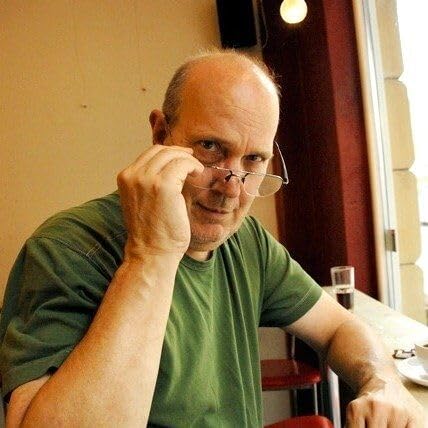
Every February, we are reminded that Black history is not a chapter to be revisited once a year, but a living, breathing story that continues to shape our present. On Roosevelt Island, that reminder has taken a deeply personal and educational form thanks to one of our own neighbors, Adib Mansour, and his powerful initiative, the Black Artists Through History Project.
At its core, the project is about preservation, access, and intention. It asks a simple but profound question: what happens when Black history is treated not as an add-on, but as essential knowledge for everyone in a shared community?
A Neighbor’s Vision Rooted in Education
Adib Mansour, a Roosevelt Island resident and longtime educator at heart, created the Black Artists Through History Project with a clear purpose. He wanted to ensure that Black artistic contributions were not only remembered, but actively taught, discussed, and reflected upon by residents of all ages.
Rather than positioning Black art as niche or supplemental, Mansour framed it as foundational. His project, supported and shared through the Roosevelt Island Operating Corporation, offers a structured, accessible curriculum highlighting influential Black artists whose work has shaped American and global culture.
This was not about checking a box for Black History Month. It was about building understanding, empathy, and cultural literacy across our island community.
The Power of Learning Together
The project unfolds through a series of thoughtfully crafted lessons, each spotlighting a different Black artist and inviting readers to engage not just visually, but intellectually and emotionally.
Featured artists include:
- Edmonia Lewis, a groundbreaking 19th-century sculptor whose work challenged racial and gender barriers in classical art spaces
- Romare Bearden, whose collages captured the rhythms, struggles, and beauty of Black American life
- Kehinde Wiley, known for reimagining classical portraiture by centering contemporary Black subjects
- Ajamu Kojo, whose photography confronts identity, history, and self-representation
- Jean-Michel Basquiat, whose raw, urgent work reshaped modern art and challenged institutions
Each lesson goes beyond biography. They ask readers to reflect on context, symbolism, and the broader social forces that shaped these artists’ lives and work. In doing so, the project becomes not just educational, but deeply human.
Why This Matters on Roosevelt Island
Roosevelt Island is often described as a place of intention. A community designed around integration, public purpose, and shared space. Mansour’s project fits squarely within that legacy.
By bringing Black art history directly to residents, the initiative reinforces an essential truth: Black history is community history. It belongs in our living rooms, our classrooms, our conversations, and our civic spaces.
This project also quietly challenges a common misconception that Black history must be tied to famous landmarks or celebrity figures to be meaningful. Here, its power comes from proximity. From a neighbor choosing to educate neighbors. From a resident deciding that preserving Black cultural history is a responsibility we all share.
Reflection as a Community Practice
What makes the Black Artists Through History Project especially resonant is its reflective nature. It does not lecture. It invites.
It invites us to ask:
- Whose stories have we been taught to value?
- Whose creativity has been overlooked or erased?
- How does art help us understand justice, identity, and belonging?
In a small community like ours, these questions matter. They help shape how we see one another, how we raise our children, and how we imagine our shared future.
Honoring Black History by Living It
Adib Mansour did not create this project for recognition. He created it out of care. Care for education. Care for history. Care for a community that, at its best, strives to learn together.
As we move through Black History Month, his work reminds us that honoring Black history is not only about remembering the past. It is about actively choosing to preserve, teach, and reflect in the present.
Black history lives here on Roosevelt Island because neighbors like Adib Mansour make space for it to live, grow, and be shared.
And that is something worth celebrating, this month and always.

The WIRE: Two Futures, One Empty Chair
It is December 6, 2015, and David Stone is writing to Dr. Jack Resnick about a chair that will soon be empty. Dick Lutz is preparing to leave the Main Street WIRE, and Stone has been encouraged to ask whether he might replace him. Seven years of covering art, Cornell Tech and questionable practices inside Public Safety have taught Stone how the paper tells an Island story.