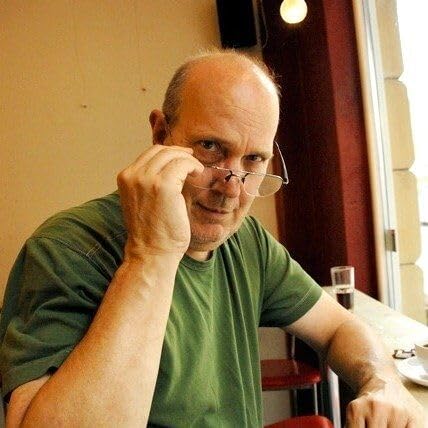
…and it’s called proprioception.
We often hear about people’s “sixth sense” but what exactly is this mysterious ability? Well, it turns out that the “sixth sense” is a real thing and it’s called proprioception, also known as kinesthesia.
by David Stone
Assorted Ideas, Large & Small
Proprioception
Don’t take it for granted. It makes your good life possible.
Proprioception is the ability to sense the position and movement of our body in space. It’s what allows us to know where our limbs are without having to look at them, and it’s what keeps us from falling over when we stand up. Usually.

Proprioception is made possible by special receptors called proprioceptors. These receptors are found in our muscles, tendons and joints, and they send information to our brains about the position and movement of our bodies.
Proprioception is an important ability because it helps us to stay balanced and coordinated. It also allows us to move without having to think about it.
For example, when you walk, your proprioceptors are constantly sending information to your brain about the position of your legs and feet. This allows you to walk without having to think about every step you take.
Can people live without proprioception?
It is possible to live without proprioception but it would be very difficult. People who lack proprioception are often unable to walk and they have trouble with other everyday activities like eating and dressing.
Proprioception is an important sense that most people are not aware of. It allows us to move without thinking about it and helps us to stay balanced and coordinated. Despite its importance, proprioception is something that most people know nothing about.
Are there other additional senses that only some people have?
Yes, there are other senses that some people have that most people don’t know about. For example, some people sense magnetic fields (magnetoreception), while others sense electrical fields (electroreception). Both are considered common among many animals.
Some people also have a condition called synesthesia, which is when two or more senses are combined. For example, some people with synesthesia might see colors when they hear certain sounds.
So, while most people only have five senses (sight, smell, taste, touch, and hearing) along with proprioception, there are more senses that some people have. These additional senses give these people a unique view of the world.
And that’s not counting senses as yet undocumented.
Do some people have a sonar sense as some other animals have?
Yes, some people have a sonar sense just like bats and dolphins. This ability is called echolocation and it allows the person to sense their surroundings by producing sounds and listening for the echoes.
Echolocation is most often used by people who are blind or have low vision. By making clicking noises with their mouths, they can sense objects around them.
Echolocation is an amazing ability that allows people to navigate their environment in a completely different way.
Among many possible senses and sense combinations lies the reality that our brains, which synthesize all these inputs, determine which they use. They assign values that aid us in living our lives.
The real world of breezes, buildings and corners is, in fact, nothing more or less than our brains decide it is.
Buy me a coffee.
more from assorted ideas, large & small
- New York Times Wins My First Annual Dimwit Health Reporting AwardThe New York Times’ anti-alcohol article misrepresents health risks, failing to provide essential context and maintaining bias, while neglecting more pressing public health issues.
- What Shapes American Conspiracy Theories?In a recent New York Times article, the claim that television shows like the X Files created paranoid conspiracy theorists in America is challenged. David Stone argues that distrust in government stemmed from historical events, notably the 1963 assassination and subsequent cover-ups. He asserts that skepticism existed prior to such entertainment influences.
- East or West Coast: Where to Have Your Beach WeddingPlan your dream beach wedding! Discover top East and West Coast destinations, compare unique vibes, and explore expert tips to ensure the perfect day.
- 5 Tips for Driving Efficiency in Your Woodworking ShopWoodworkers must stay productive while maintaining their focus on the job. Learn five essential tips for driving efficiency in your woodworking shop.
- Tips for Preventing Accidents in Your Manufacturing PlantA proactive approach can lower the number of incidents in your manufacturing facility. Learn several tips for preventing accidents in your manufacturing plant.


Unequal Bargains
On June 18, the Roosevelt Island Operating Corporation’s Real Estate Development Advisory Committee gathered to discuss ground leases, the master retail lease, and the ten additional years being offered under the Island’s master lease. Howard L. Polivy, the committee’s chair, opened the meeting as a longtime host shows guests through a familiar house, pointing out the furniture as if it had never moved an inch.