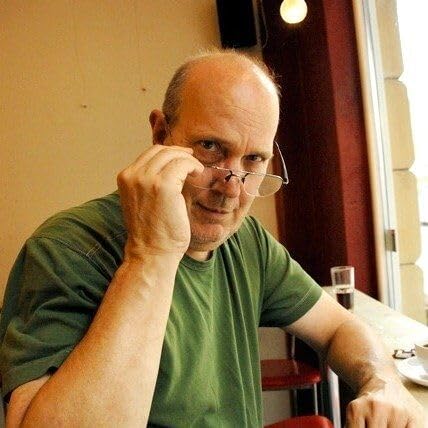
Pete Seeger’s Rainbow Race is a song that Seeger wrote and performed about the need for people to come together to solve problems. In the song, Seeger sings about how people of different races can work together to create a better world.
After another school massacre, our country needs a quantum shift, a new frame of mind. Pete Seeger’s Rainbow Race can help reset America.
In a world that is increasingly divided, we need to find ways to come together and work towards solutions. Rainbow Race can help us do that.
by David Stone
for Assorted Ideas, Large & Small
The Rainbow Race
One blue sky above us
One ocean lapping all our shores
One earth so green and brown
Who could ask for more
Let’s learn the lessons. We can build a world where we all can win. Pete Seeger’s Rainbow Race can help us get there.
Who was Pete Seeger?
Pete Seeger was an American folk singer and social activist. He was a member of the folk group The Weavers and helped popularize folk music in the United States. He also wrote many songs, including “Turn! Turn! Turn!”, which became a hit for the Byrds.
Pete Seeger was born on May 3, 1919, in New York City. He comes from a musical family—his father was a violinist and his mother a singer. Seeger learned to play the banjo and the guitar as a child.
He became interested in folk music after hearing some of the songs that Woody Guthrie wrote. In 1940, he met Guthrie and they became friends.
In 1947, Seeger joined the folk group The Weavers. The group had hits with songs like “On Top of Old Smokey” and “If I Had a Hammer.” They were blacklisted during the McCarthy era for their left-wing views.
After the Weavers disbanded in 1952, Seeger continued to perform and record as a solo artist. He also became involved in civil rights and environmental movements. In the 1960s, he wrote songs like “Where Have All the Flowers Gone?” and “We Shall Overcome.”
Pete Seeger died on January 27, 2014, at the age of 94.
more from assorted ideas, large & small
- Navigating Apps with Changes in Memory: Join Our StudyWeill Cornell Medicine seeks older adults with mild memory loss for a study on improving navigation apps. Participation is valuable, and compensation is provided. Join us!
- New York Times Wins My First Annual Dimwit Health Reporting AwardThe New York Times’ anti-alcohol article misrepresents health risks, failing to provide essential context and maintaining bias, while neglecting more pressing public health issues.
- What Shapes American Conspiracy Theories?In a recent New York Times article, the claim that television shows like the X Files created paranoid conspiracy theorists in America is challenged. David Stone argues that distrust in government stemmed from historical events, notably the 1963 assassination and subsequent cover-ups. He asserts that skepticism existed prior to such entertainment influences.
- East or West Coast: Where to Have Your Beach WeddingPlan your dream beach wedding! Discover top East and West Coast destinations, compare unique vibes, and explore expert tips to ensure the perfect day.
- 5 Tips for Driving Efficiency in Your Woodworking ShopWoodworkers must stay productive while maintaining their focus on the job. Learn five essential tips for driving efficiency in your woodworking shop.


Howard Polivy, the Man Who Never Left
There is a particular rhythm to board meetings. Once you have sat through enough of them, they begin to blend together. The agenda appears. The minutes are approved.